Caring for a Child After Children’s Brain Surgery
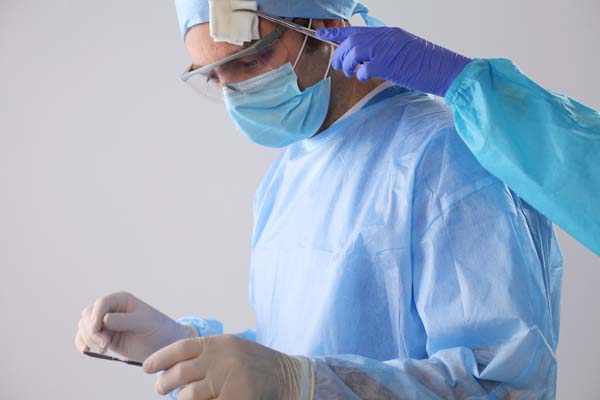
Recovering from children's brain surgery takes some time at the hospital and your home. Neurosurgical procedures are big operations, and children might need to be kept in an intensive care unit for the first few days after surgery.
Recovering from children's brain surgery
Your child will be closely monitored as they wake from anesthesia. It is normal for some parents to feel scared or overwhelmed when they first see their child after surgery. The surgical team will be there to explain everything you see. Some of the things you might see as your child recovers include:
- The child's face might be swollen or puffy from the stress of the procedure
- A breathing tube might be used to allow your child to breathe safely. They will not be able to speak until the tube is removed
- The child might be connected to some IVs and monitors
- The child might feel confused or excited as they wake from anesthesia. This is termed "emergence delirium"
- The child will go through some degree of discomfort as they wake from anesthesia, like throat soreness from the tube, pain around the surgery site, or nausea
Some of the things parents can do to make their child feel more comfortable during this recovery phase include:
- Inform the recovery team about things that soothe the child
- Do not wake the child if they are asleep
- Speak quietly and reassure the child
- Encourage the child to drink lots of fluids once the surgical team says it is safe to start consuming fluids
A nurse will remove the surgical clips or stitches around the surgery site about seven to ten days after the operation. At this point, the child might be discharged from the hospital to be cared for by the parents and nurses at home.
It is common for kids to report feeling fatigued after children's brain surgery. This might lead to the child taking more naps and needing more rest when engaged in physical activities. The tiredness can last a few months, but it typically gets better the further the child moves away from the surgery. The fatigue can be worsened by other treatments the child gets, like chemotherapy.
Children recover from surgical procedures better than adults, so parents might notice children attempting to engage in fun physical activities despite their complaints about fatigue. Your child's surgeon will let you know when it is okay for the child to engage in more strenuous physical activities like PE classes or sports at school.
Getting back to school
Every child has a unique recovery journey after surgery since many factors affect it, like other treatments the child needs. Schools are typically understanding regarding children recovering from major operations and will work with your child to help them settle back in. This could be in the form of starting with only a few hours of school daily and gradually building up from there.
We can help with recovery from brain surgery
Some children recover quickly after brain surgery, while others need more help with their everyday life. Our staff is here to help make recovery go as smoothly as possible for your child. Call or visit our Laguna Niguel clinic to set up an appointment.
Request an appointment here: https://www.drloudonpediatricneurosurgery.com/ or call Dr. William G. Loudon, Pediatric Neurosurgery at (714) 677-9463 for an appointment in our Laguna Niguel office.
Check out what others are saying about our services on Yelp: Children's Brain Surgery in Laguna Niguel, CA.
Related Posts
After pediatric brain surgery for hydrocephalus, recovery can feel overwhelming for families. Simple steps, such as following the care plan, protecting the incision, and watching for changes, can help support a safe recovery. Every child heals at a different pace, so our neurosurgical team is here to support your family as a trusted main source.The…
An initial meeting with a top pediatric neurosurgeons can feel overwhelming. Fortunately, preparing for the appointment ahead of time can help you and your child understand the process, ease anxiety, and find the right path forward for your child. Walk into the appointment with ease and confidence by knowing what to expect.The first appointment typically begins…
Gamma Knife® treatment can give some children with brain tumors, vascular conditions, or other neurological concerns a highly focused treatment option. Despite the name, the Gamma Knife itself does not involve a knife or an incision. It is a form of stereotactic radiosurgery, which simply means it uses multiple precisely directed radiation beams to treat…