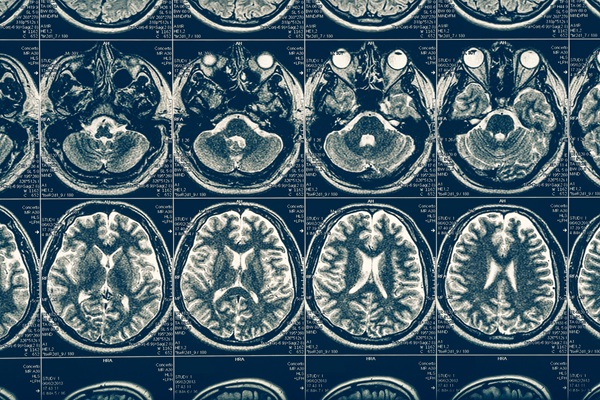
Hydrocephalus treatment often marks the start of a new routine focused on steady healing, confident movement, and ongoing checkups. Many children return to normal days with school, play, and family activities as strength and comfort improve. The most helpful plan after pediatric neurosurgery includes clear follow-up steps and simple guidance upon returning home.
The first few weeks at home
Recovery looks different for every child, but the early aim is to protect healing while gradually returning to normal activity. Parents can expect their child's energy to vary day to day and should consider rest breaks to help their bodies handle school, screens, and play without symptom flare-ups. Further, gentle movement, hydration, and regular meals can support comfort and reduce any headaches or nausea during the adjustment period. The pediatric neurosurgeon also clarifies when bathing and physical activity are safe to fit into the schedule.
Follow-up visits and ongoing monitoring
Appointments after hydrocephalus treatment help confirm that pressure stays controlled and symptoms stay stable. The pediatric neurosurgery team may recommend imaging or scheduled checks based on the child's diagnosis and the specific procedure. These visits also allow parents to ask questions about any changes in sleep, appetite, activity, and behavior. Overall, consistent follow-up builds long-term confidence and reduces the risk that small issues will grow into urgent problems.
Understanding the most common treatment paths
For many children, hydrocephalus treatment involves either a shunt system or an endoscopic third ventriculostomy (ETV), depending on the cause and anatomy. As per the Mayo Clinic, a shunt uses a flexible tube system to drain excess cerebrospinal fluid to another area of the body, often the abdomen, to reduce pressure. In select cases, an ETV creates an internal pathway for fluid flow, reducing reliance on implanted hardware. The pediatric neurosurgeon will recommend the most effective approach that matches each child's condition and safety needs.
Signs that warrant immediate attention
Even when recovery goes smoothly, families benefit from knowing what changes deserve urgent attention. Infants can also show signs such as a bulging soft spot or "sun-setting" eyes, depending on age and situation. Common warning signs in older children to watch for include:
- Headache or increasing head pressure symptoms
- Vomiting or poor appetite without another clear cause
- Excessive tiredness, lethargy, or difficulty waking
- Vision changes
- Dizziness or new balance problems
- Marked irritability or behavior problems
- Decreased school performance
Any sudden return of hydrocephalus-like symptoms or a rapid decline in how a child looks or acts warrants prompt medical guidance.
What patients can expect in everyday life
Life after hydrocephalus treatment often includes a thoughtful return to school routines with support for fatigue, concentration, and activity restrictions when needed. Some children benefit from temporary academic accommodations, especially if headaches or reduced endurance occur during the day. Moreover, the strength to perform physical activities may return in stages, with clearance based on healing, symptom stability, and overall safety. A clear plan helps parents and teachers support progress without unnecessary limitations.
Call us for more information about pediatric neurosurgery
Many children live active, full lives after hydrocephalus treatment, especially with consistent follow-up and quick attention to new symptoms. Long-term success often comes from a steady care team, a clear emergency plan, and age-appropriate guidance as a child grows. For more information on what to expect after treatment, contact Dr. William G. Loudon, Pediatric Neurosurgery today.
Request an appointment here: https://www.drloudonpediatricneurosurgery.com or call Dr. William G. Loudon, Pediatric Neurosurgery at (714) 677-9463 for an appointment in our Laguna Niguel office.
Check out what others are saying about our services on Yelp: Hydrocephalus Treatment in Laguna Niguel, CA.
Related Posts
Choosing the Right Orange County Pediatric Neurosurgeon for Your Family
Selecting a qualified Orange County pediatric neurosurgeon makes a profound difference when a child requires specialized care for the brain, spine, or nervous system. The right fit combines high-level clinical expertise with …
What You Need to Know About Craniosynostosis Treatment
Craniosynostosis is a congenital condition where one or more spaces between an infant's skull bones close too soon. Fortunately, craniosynostosis treatment from a pediatric neurosurgeon can support healthy skull and brain development. …
What Parents Should Know About Pediatric Spina Bifida Treatment
Pediatric spina bifida treatment supports children born with this neural tube defect by addressing spinal, nerve, and developmental concerns from an early age. Parents who understand the key aspects of treatment are …
Common Neurotrauma Treatments for Young Patients
Neurotrauma in children requires fast, careful care that protects the brain, spine, and nerves while growth continues. A clear plan begins with an accurate evaluation, followed by targeted treatments that limit swelling, …