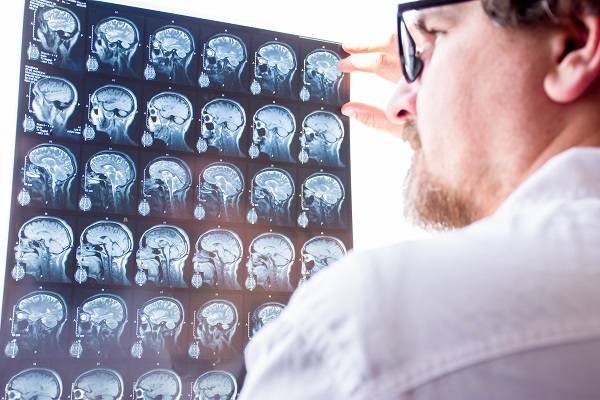
Traumatic brain injury is one of the conditions that a neurosurgeon treats. The condition is simply a brain injury resulting from trauma – a blunt force to the head or an object breaking through the skull to reach the brain tissue. Depending on the severity of the brain damage, the symptoms can range from mild to severe and may result in alteration in mental state and consciousness. Severe situations may cause prolonged unconsciousness, coma, or death.
Traumatic brain injury treatment
The severity of a brain injury determines the type and level of medical care necessary. The neurosurgeon may need to perform diagnostic tests like x-rays to know the extent of the damage. For cases of severe injuries, patients may require surgery to repair the damage. Rehabilitation may also be required after treatment to regain the skills and abilities that were affected by the injury.
Surgery
The surgery for traumatic injury is done to eliminate a large hematoma or contusion that is causing major brain compression or increasing the pressure inside the skull. After surgery, patients will be placed in the intensive care unit for monitoring.
Since contusions or hematomas sometimes enlarge gradually over the first few hours or days following the brain injury, the neurosurgeon will recommend waiting a few days before performing surgery on such patients. They may discover delayed hematomas when brain scans or neurological exams reveal a worsening situation or if their intracranial pressure (ICP) increases.
Other times, a regular follow up CT scan can be done to check if the size of the small lesion has changed, which would mean the hematoma or contusion has enlarged. In such situations, the best option is to take out the lesion before it grows further and results in severe neurological damage.
During surgery, the medical team will shave the hair around the affected part of the head. After making an incision in the scalp, the neurosurgeon will extract the removed bone and replace it after surgery. They will cut the dura matter to access the brain. They will check for bleeding after removing any contusion. The neurosurgeon will then close the dura, replace the bone, and stitch the scalp. For severe swelling, they may not replace the bone until the swelling subsides.
Non-surgical interventions
There are currently no medications to avoid nerve damage or aid nerve healing after traumatic brain injury treatment. The main objective is to avert any further damage to the brain. The first brain injury is called a primary insult, while any subsequent incidents that may lead to neurological damage are called secondary insults. Keeping the patient’s blood pressure normal or slightly elevated can help avoid secondary insults.
Evaluating the outcome
Neurosurgeons often use the Glasgow Outcome Scale (GOS) to categorize the result of the head injury. Patients with a brain injury typically go through rehabilitation from the acute treatment stage. When their condition improves, they can start a more intensive rehabilitation program. The success of the traumatic brain injury treatment depends on factors such as the type and severity of the injury, the patient’s health, the nature of resulting disabilities and impairments, and family support.
Get more information here: https://www.drloudonpediatricneurosurgery.com or call Dr. William G. Loudon, Pediatric Neurosurgery at (714) 677-9463
Check out what others are saying about our services on Yelp: Read our Yelp reviews.
Related Posts
Choosing the Right Orange County Pediatric Neurosurgeon for Your Family
Selecting a qualified Orange County pediatric neurosurgeon makes a profound difference when a child requires specialized care for the brain, spine, or nervous system. The right fit combines high-level clinical expertise with …
Life After Hydrocephalus Treatment
Hydrocephalus treatment often marks the start of a new routine focused on steady healing, confident movement, and ongoing checkups. Many children return to normal days with school, play, and family activities as …
What You Need to Know About Craniosynostosis Treatment
Craniosynostosis is a congenital condition where one or more spaces between an infant's skull bones close too soon. Fortunately, craniosynostosis treatment from a pediatric neurosurgeon can support healthy skull and brain development. …
What Parents Should Know About Pediatric Spina Bifida Treatment
Pediatric spina bifida treatment supports children born with this neural tube defect by addressing spinal, nerve, and developmental concerns from an early age. Parents who understand the key aspects of treatment are …