

Pediatric spina bifida treatment supports children born with this neural tube defect by addressing spinal, nerve, and developmental concerns from an early age. Parents who understand the key aspects of treatment are better equipped to guide their child through a multidisciplinary care plan that prioritizes mobility, independence, and quality of life. Let us explore core components of pediatric spina bifida treatment, helping families navigate diagnosis, surgical options, ongoing therapies, and what to expect as their child grows.
Understanding spina bifida
According to the Cleveland Clinic, spina bifida occurs when the spine and spinal cord do not form properly during pregnancy, leading to a gap in the vertebrae and potential exposure of nerve tissue. The severity of the condition varies, but common challenges include difficulty with walking, bladder and bowel function, and coordination.
Due to various degrees of the condition, pediatric spina bifida treatment begins with a detailed evaluation of spinal structure, nerve involvement, and associated conditions like hydrocephalus or tethered cord syndrome. Early understanding and coordination among specialists help optimize outcomes across all areas of health.
Surgical and early intervention steps
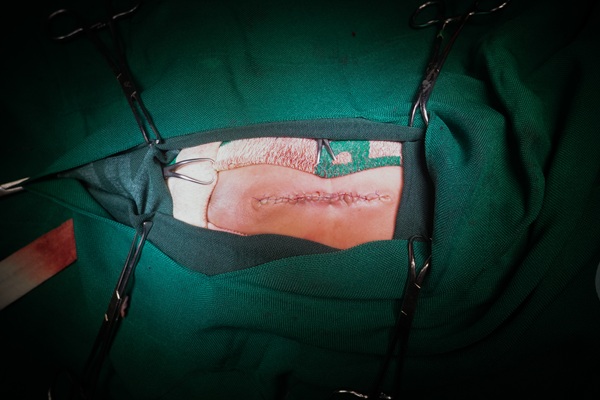
In many cases, pediatric spina bifida treatment includes surgery shortly after birth or even prenatally, depending on the type and severity of the neural tube defect. The goal of surgical repair is to close the spinal opening, protect exposed nerves, and reduce the risk of infection. When hydrocephalus develops (excess fluid on the brain), a pediatric neurosurgery team may place a shunt to relieve pressure. These early interventions establish the foundation for further therapies and long-term management.
Ongoing therapies and functional support
Beyond surgery, effective pediatric spina bifida treatment involves a broad team of professionals who support mobility, nerve health, and independence. Physical and occupational therapists help children build strength, balance, and coordination through targeted exercises and adaptive equipment. Orthotic supports, braces, walkers, or wheelchairs may help toddlers and younger children walk or move safely. Since pediatric neurosurgery teams cannot always reverse nerve damage, most treatment goals aim to maximize function and minimize complications over the long term.
Monitoring, development, and education
As children grow, pediatric spina bifida treatment adapts to changing needs in mobility, leg length, muscle strength, bladder and bowel health, and learning. Some children require regular monitoring for conditions like tethered cord syndrome, which can develop as the spine grows and cause new symptoms. In these cases, educational specialists help address learning challenges or ADHD-like symptoms that can accompany the condition. Still, regular neurosurgical follow-ups help detect complications early and ensure coordinated, proactive care.
Family and long-term planning
A strong partnership between the medical team and family supports successful pediatric spina bifida treatment. Parents who understand mobility expectations, adaptive tools, and therapy goals can advocate effectively for their child's care. While there is no single cure for nerve damage, early and continuous treatment supports independence, social participation, and a higher quality of life. The pediatric neurosurgery team can craft treatment plans that evolve with the child's age and milestones, aligning therapies with growth, schooling, and lifestyle.
Call us for more information
Pediatric spina bifida treatment is comprehensive, evolving, and rooted in early care, coordinated therapies, and long-term monitoring. Parents who navigate this process with informed expectations and collaboration with a specialist team help set the stage for their child's best possible function and independence. We understand that you may have more questions about your child's condition or treatment. Contact Dr. William G. Loudon, Pediatric Neurosurgery to schedule a consultation for more in-depth information.
Request an appointment here: https://www.drloudonpediatricneurosurgery.com or call Dr. William G. Loudon, Pediatric Neurosurgery at (714) 677-9463 for an appointment in our Laguna Niguel office.
Check out what others are saying about our services on Yelp: Read our Yelp reviews.
Related Posts
Choosing the Right Orange County Pediatric Neurosurgeon for Your Family
Selecting a qualified Orange County pediatric neurosurgeon makes a profound difference when a child requires specialized care for the brain, spine, or nervous system. The right fit combines high-level clinical expertise with …
Life After Hydrocephalus Treatment
Hydrocephalus treatment often marks the start of a new routine focused on steady healing, confident movement, and ongoing checkups. Many children return to normal days with school, play, and family activities as …
What You Need to Know About Craniosynostosis Treatment
Craniosynostosis is a congenital condition where one or more spaces between an infant's skull bones close too soon. Fortunately, craniosynostosis treatment from a pediatric neurosurgeon can support healthy skull and brain development. …
Common Neurotrauma Treatments for Young Patients
Neurotrauma in children requires fast, careful care that protects the brain, spine, and nerves while growth continues. A clear plan begins with an accurate evaluation, followed by targeted treatments that limit swelling, …