

Craniosynostosis is a congenital condition where one or more spaces between an infant's skull bones close too soon. Fortunately, craniosynostosis treatment from a pediatric neurosurgeon can support healthy skull and brain development. With the right care, children born with craniosynostosis can thrive as they grow up.
An overview of craniosynostosis
A baby's skull is made up of small plates connected by flexible joints known as sutures, which allow the skull to grow as the baby's brain grows. The sutures typically close when the brain stops growing. However, craniosynostosis is a congenital condition in which one or more cranial sutures fuse too early. This condition restricts normal skull growth and brain development. The premature fusion of craniosynostosis may lead to an abnormal head shape and, in some cases, increased intracranial pressure.
Diagnosing craniosynostosis
A pediatric neurosurgeon can diagnose craniosynostosis. They may perform a physical exam, in which the doctor feels the baby's head for suture ridges and looks for changes in facial features and head shape. They may also take imaging studies to determine whether the sutures have fused. These results can make precise measurements of the skull shape, which can help the surgical team plan craniosynostosis treatment.
Types of craniosynostosis treatment
Surgery is the most common treatment for craniosynostosis. There are two primary surgical methods in pediatric neurosurgery: endoscopic surgery and open cranial vault remodeling. The pediatric neurosurgeon will recommend one of these procedures based on the child's age, the severity of the suture fusion, and their overall health.
Endoscopic surgery
Endoscopic surgery is typically recommended for younger infants, usually up to six months. This minimally invasive technique involves small incisions in the baby's scalp. The surgeon can then remove the closed suture to allow the skull to expand with the infant's brain growth.
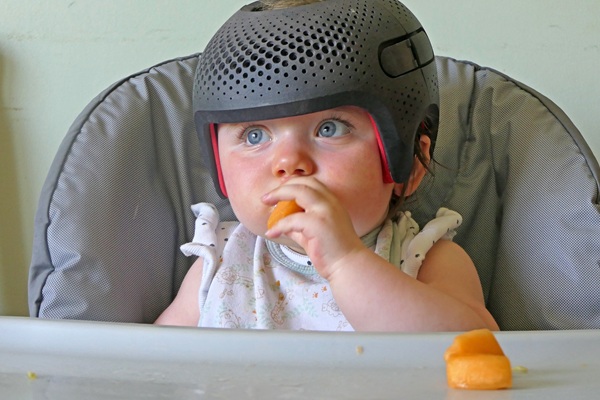
It often requires a short recovery period and hospital stay (about one night for observation). The baby is also less likely to need a blood transfusion during or after the surgery. However, while less invasive, the infant may need to undergo helmet therapy after the surgery to guide skull growth.
Open cranial vault remodeling
For older infants or complex cases, the pediatric neurosurgeon may recommend open cranial vault remodeling. This procedure involves the surgeon cutting into the scalp and cranial bones. Then, the surgeon reshapes and repositions the affected areas of the skull, placing plates and screws that will dissolve over time. This procedure allows the surgical team to make more room for the brain to grow.
Unlike the endoscopic surgery, open surgery does require a long hospital stay, usually about 3 to 4 days. Although recovery may take longer, the results are often long-lasting and highly effective. Additionally, the infant may not need helmet therapy after the procedure.
Postoperative care and monitoring
Follow-up visits allow the infant's medical team to track their healing, assess their skull growth, and ensure optimal brain development. Depending on the surgical method, the neurosurgeon may recommend helmet therapy or follow-up surgeries as part of the child's long-term care plan. As a result, most children who undergo craniosynostosis treatment experience positive long-term outcomes.
Learn more about our craniosynostosis treatment
Craniosynostosis treatment addresses structural challenges associated with premature suture fusion. Fortunately, this treatment can help your child achieve healthy brain development and strong long-term functions. Do you have questions about the craniosynostosis treatment options at Dr. William G. Loudon, Pediatric Neurosurgery? Call our Laguna Niguel office to schedule an appointment.
Request an appointment here: https://www.drloudonpediatricneurosurgery.com or call Dr. William G. Loudon, Pediatric Neurosurgery at (714) 677-9463 for an appointment in our Laguna Niguel office.
Check out what others are saying about our services on Yelp: Craniosynostosis Treatment in Laguna Niguel, CA.
Related Posts
What Conditions Can Pediatric Neurosurgery Specialists Treat?
Pediatric neurosurgery specialists treat conditions that affect a child’s brain, spine, and nervous system. These conditions may be present at birth, develop during growth, or appear after an injury. Early evaluation matters …
Choosing the Right Orange County Pediatric Neurosurgeon for Your Family
Selecting a qualified Orange County pediatric neurosurgeon makes a profound difference when a child requires specialized care for the brain, spine, or nervous system. The right fit combines high-level clinical expertise with …
Life After Hydrocephalus Treatment
Hydrocephalus treatment often marks the start of a new routine focused on steady healing, confident movement, and ongoing checkups. Many children return to normal days with school, play, and family activities as …
What Parents Should Know About Pediatric Spina Bifida Treatment
Pediatric spina bifida treatment supports children born with this neural tube defect by addressing spinal, nerve, and developmental concerns from an early age. Parents who understand the key aspects of treatment are …