What Conditions Is Infant Neurosurgery Used To Treat?
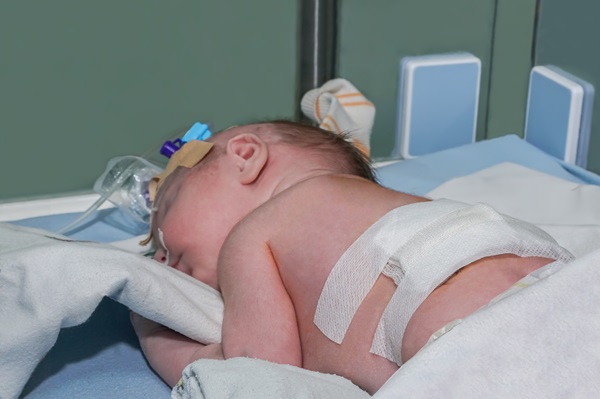
Infant neurosurgery, or pediatric neurosurgery, focuses on treating neurological conditions in newborns and infants. Having a baby is supposed to be a wondrous experience, but sometimes, a condition can throw a wrench into plans. We understand that learning your child may need surgery, especially this type, can be jarring. However, it may be necessary to help them live a healthy, vibrant life.
7 Conditions That May Require Infant Neurosurgery
1. Brain tumors
Tumors can form in infants due to the abnormal growth of cells or masses developing rapidly in the brain or surrounding tissues and structures. Whether the tumors are cancerous or noncancerous, the surgeon will recommend infant neurosurgery so the child's brain can develop without any inhibitors.
2. Brain arteriovenous malformation (AVM)
Babies with this condition, likely developed during fetal development, can experience hemorrhaging, seizures, or if your child starts crying when exposed to light after adjusting (this may indicate a headache). This condition can be life-threatening; therefore, prolonging treatment is highly discouraged. Once the surgeon narrows down on a diagnosis, surgery will likely move quickly, performing either a resection, endovascular embolization, or stereotactic radiosurgery.
3. Cerebral palsy
Cerebral palsy (CP) affects the baby's motor skills and posture. When left untreated, this condition will progressively worsen, eventually leading to improper growth and development. However, if caught early on, infant neurosurgery can address these issues before they arrive– though the infant may still have the diagnosis of CP. The surgeon will likely recommend Selective dorsal rhizotomy to remove or sever sensory nerves to allow for more movement.
4. Congenital spine abnormalities
If a baby is born with spinal bifida, a tethered spinal cord, or scoliosis, infant neurosurgery may be incorporated into their overall treatment plan. That is because the brain communicates with the spine through a connection, and if it is broken or tampered with in some way, it can be disastrous for their development.
5. Craniosynostosis
If the baby's skull bones fuse prematurely, leading to abnormal head shapes and potential brain growth restriction, they likely have craniosynostosis. Infant neurosurgery will be introduced to correct this condition by performing a cranial vault remodeling. This can help prevent the condition from worsening or causing blindness, developmental delays, cognitive impairments, and chronic headaches or migraines.
6. Epilepsy
Epilepsy causes recurring seizures, a dangerous condition for babies. Most doctors will start with medication to try and manage the condition. However, when they fail to yield adequate results, they will recommend infant neurosurgery. The purpose is to remove the focal point causing the seizures or disconnect abnormal neural connections.
7. Intracranial hemorrhages
Doctors will check for this condition if a baby is weak, loses consciousness, or cannot keep its food down. Though rare, intracranial hemorrhages can occur in infants, including subdural or epidural hematomas. The surgeon will recommend infant neurosurgery to stop the bleeding, usually by inserting a catheter through the groin and into the brain arteries.
Do not delay scheduling your child's consultation
We understand that the thought of infant neurosurgery can be alarming. However, what is more alarming is a condition that can inhibit your baby's overall development. If you believe your child is experiencing a neurological condition, even one not mentioned above, contact our Laguna Niguel team. We will take great care in determining your baby's health and craft an effective treatment to start them off on the right track in life.
Request an appointment here: https://www.drloudonpediatricneurosurgery.com/ or call Dr. William G. Loudon, Pediatric Neurosurgery at (714) 677-9463 for an appointment in our Laguna Niguel office.
Check out what others are saying about our services on Yelp: Infant Neurosurgery in Laguna Niguel, CA.
Related Posts
After pediatric brain surgery for hydrocephalus, recovery can feel overwhelming for families. Simple steps, such as following the care plan, protecting the incision, and watching for changes, can help support a safe recovery. Every child heals at a different pace, so our neurosurgical team is here to support your family as a trusted main source.The…
An initial meeting with a top pediatric neurosurgeons can feel overwhelming. Fortunately, preparing for the appointment ahead of time can help you and your child understand the process, ease anxiety, and find the right path forward for your child. Walk into the appointment with ease and confidence by knowing what to expect.The first appointment typically begins…
Gamma Knife® treatment can give some children with brain tumors, vascular conditions, or other neurological concerns a highly focused treatment option. Despite the name, the Gamma Knife itself does not involve a knife or an incision. It is a form of stereotactic radiosurgery, which simply means it uses multiple precisely directed radiation beams to treat…