Exploring Options in Pediatric Brain Tumor Treatment
Pediatric brain tumor treatment is a highly specialized field that requires a multidisciplinary approach to ensure the best possible outcomes. Brain tumors are among the most common solid tumors in children, and their treatment depends on the tumor’s type, location, and severity. Advancements in medical technology have significantly improved survival rates and quality of life for pediatric patients. Understanding the available treatment options can help families navigate this challenging diagnosis with greater confidence.
Surgical treatment for pediatric brain tumors
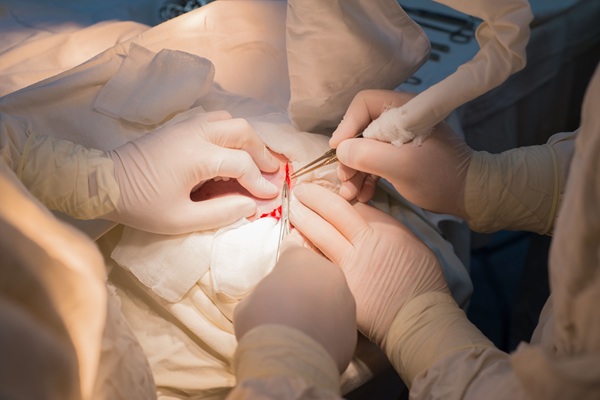
Surgery is often the first step in pediatric brain tumor treatment, particularly when the tumor is accessible and can be removed safely. Pediatric neurosurgeons aim to remove as much of the tumor as possible while preserving vital brain functions. The success of the surgery depends on the tumor’s location, size, and involvement with critical brain structures.
Complete resection is sometimes possible, leading to significantly improved outcomes. However, when total removal is not feasible, a partial resection may be performed to reduce tumor size and relieve pressure on the brain. Advanced surgical techniques, including intraoperative imaging and neuronavigation, have enhanced precision in tumor removal while minimizing complications.
Radiation therapy
Radiation therapy is often used when surgery cannot completely remove the tumor or when the tumor is inoperable. This treatment involves targeting the tumor with high-energy radiation to destroy cancer cells while sparing healthy brain tissue. Modern radiation techniques, such as proton therapy and intensity-modulated radiation therapy (IMRT), allow for more precise targeting, reducing the risk of long-term side effects in developing brains.
Younger children are particularly sensitive to radiation, and its use is carefully considered based on the potential risks and benefits. In some cases, radiation therapy may be delayed or replaced with alternative treatments to minimize cognitive and developmental effects.
Chemotherapy and targeted therapy
Chemotherapy is another crucial component of pediatric brain tumor treatment, particularly for aggressive or metastatic tumors. It involves using specialized drugs to slow tumor growth or eliminate cancerous cells. Some chemotherapy regimens are administered orally, while others require intravenous infusion.
Recent advancements in targeted therapy have introduced drugs that specifically attack cancer cells while sparing normal tissue. These therapies work by interfering with the genetic mutations that drive tumor growth, offering a more precise and less toxic alternative to traditional chemotherapy. Personalized treatment plans based on genetic profiling of the tumor are becoming increasingly common, helping to improve outcomes and reduce side effects.
Innovative and experimental treatments
Ongoing research advances pediatric brain tumor treatment, leading to new and promising therapies. Immunotherapy, which stimulates the body’s immune system to recognize and attack tumor cells, is currently being explored as a potential option for certain pediatric brain tumors. Additionally, clinical trials are testing novel drug combinations, gene therapies, and advanced imaging techniques to improve treatment efficacy and patient survival.
Discuss your options with a pediatric neurosurgeon
By integrating surgery, radiation, chemotherapy, and emerging therapies, pediatric brain tumor treatment continues to evolve, offering hope and improved outcomes for children facing this challenging diagnosis. For more information, schedule a consultation visit today at Dr. William G. Loudon, Pediatric Neurosurgery.
Request an appointment here: https://www.drloudonpediatricneurosurgery.com/ or call Dr. William G. Loudon, Pediatric Neurosurgery at (714) 677-9463 for an appointment in our Laguna Niguel office.
Check out what others are saying about our services on Yelp: Pediatric Brain Tumor Treatment in Laguna Niguel, CA.
Related Posts
After pediatric brain surgery for hydrocephalus, recovery can feel overwhelming for families. Simple steps, such as following the care plan, protecting the incision, and watching for changes, can help support a safe recovery. Every child heals at a different pace, so our neurosurgical team is here to support your family as a trusted main source.The…
An initial meeting with a top pediatric neurosurgeons can feel overwhelming. Fortunately, preparing for the appointment ahead of time can help you and your child understand the process, ease anxiety, and find the right path forward for your child. Walk into the appointment with ease and confidence by knowing what to expect.The first appointment typically begins…
Gamma Knife® treatment can give some children with brain tumors, vascular conditions, or other neurological concerns a highly focused treatment option. Despite the name, the Gamma Knife itself does not involve a knife or an incision. It is a form of stereotactic radiosurgery, which simply means it uses multiple precisely directed radiation beams to treat…